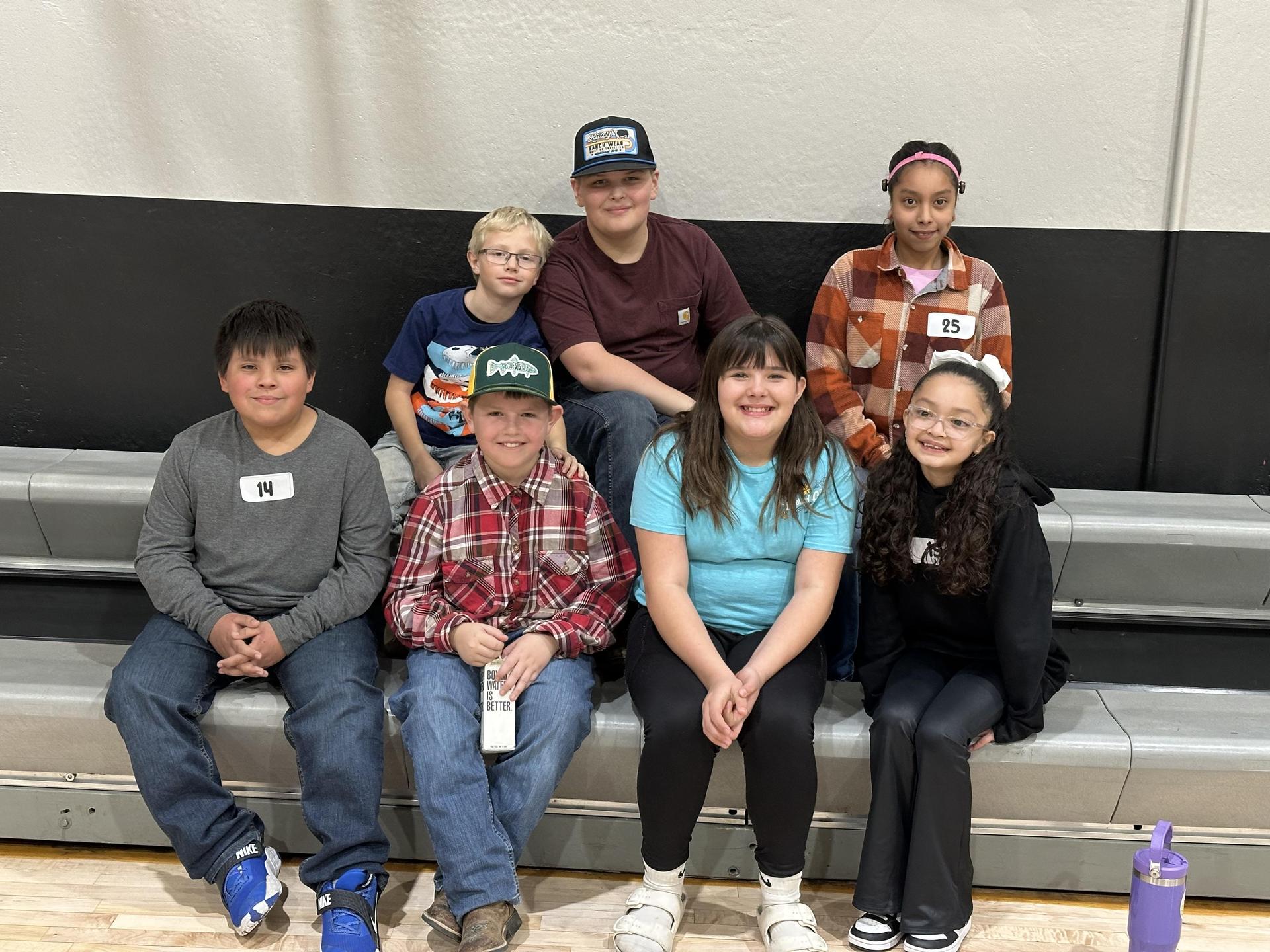
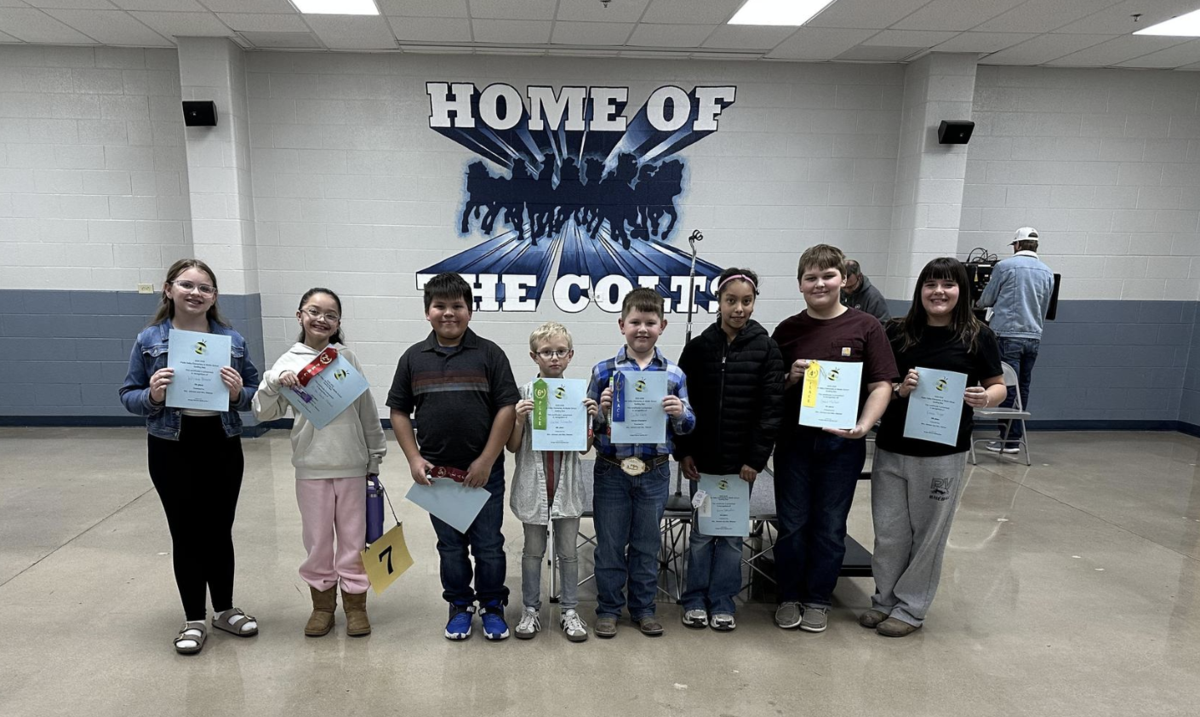
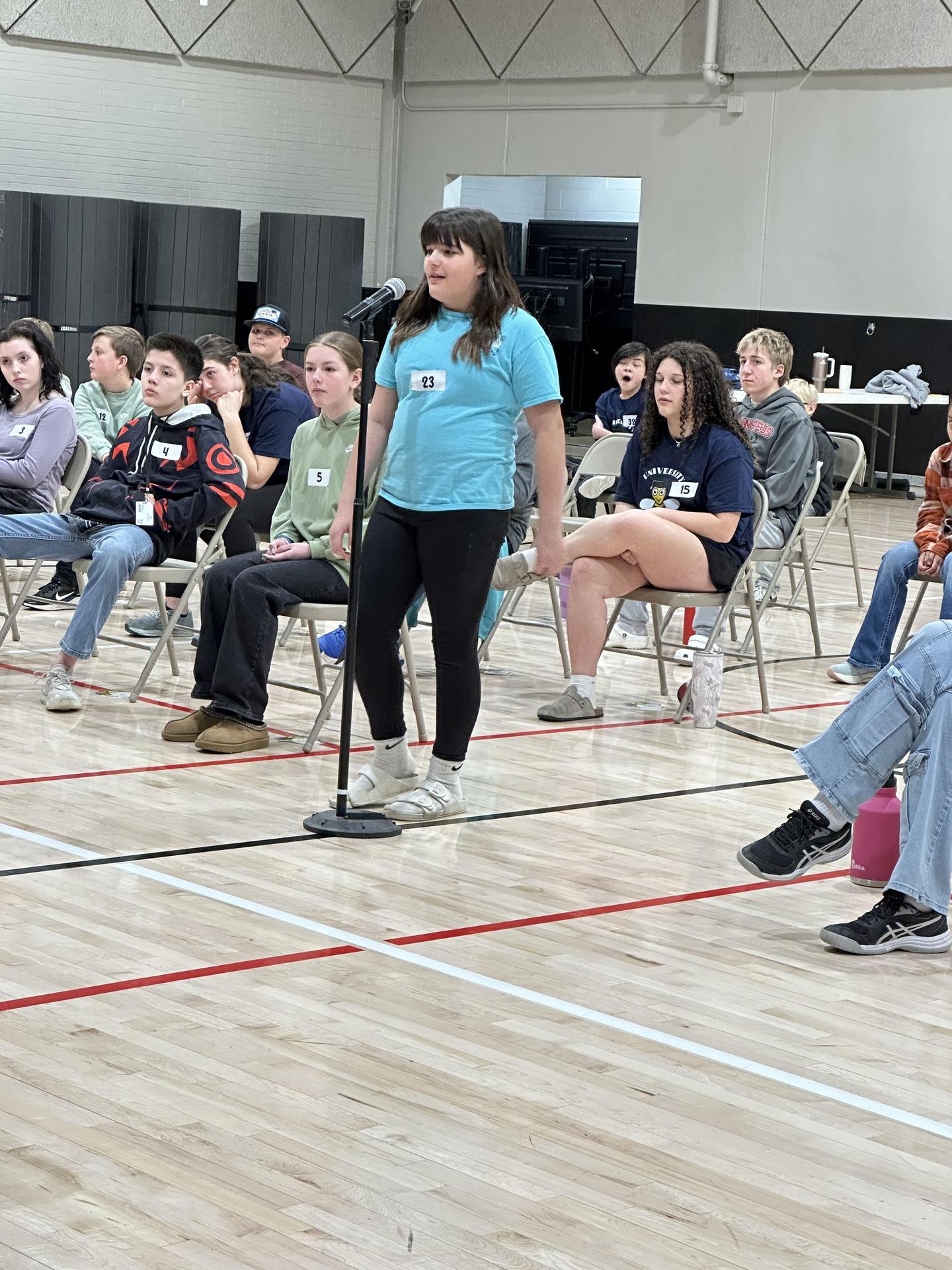
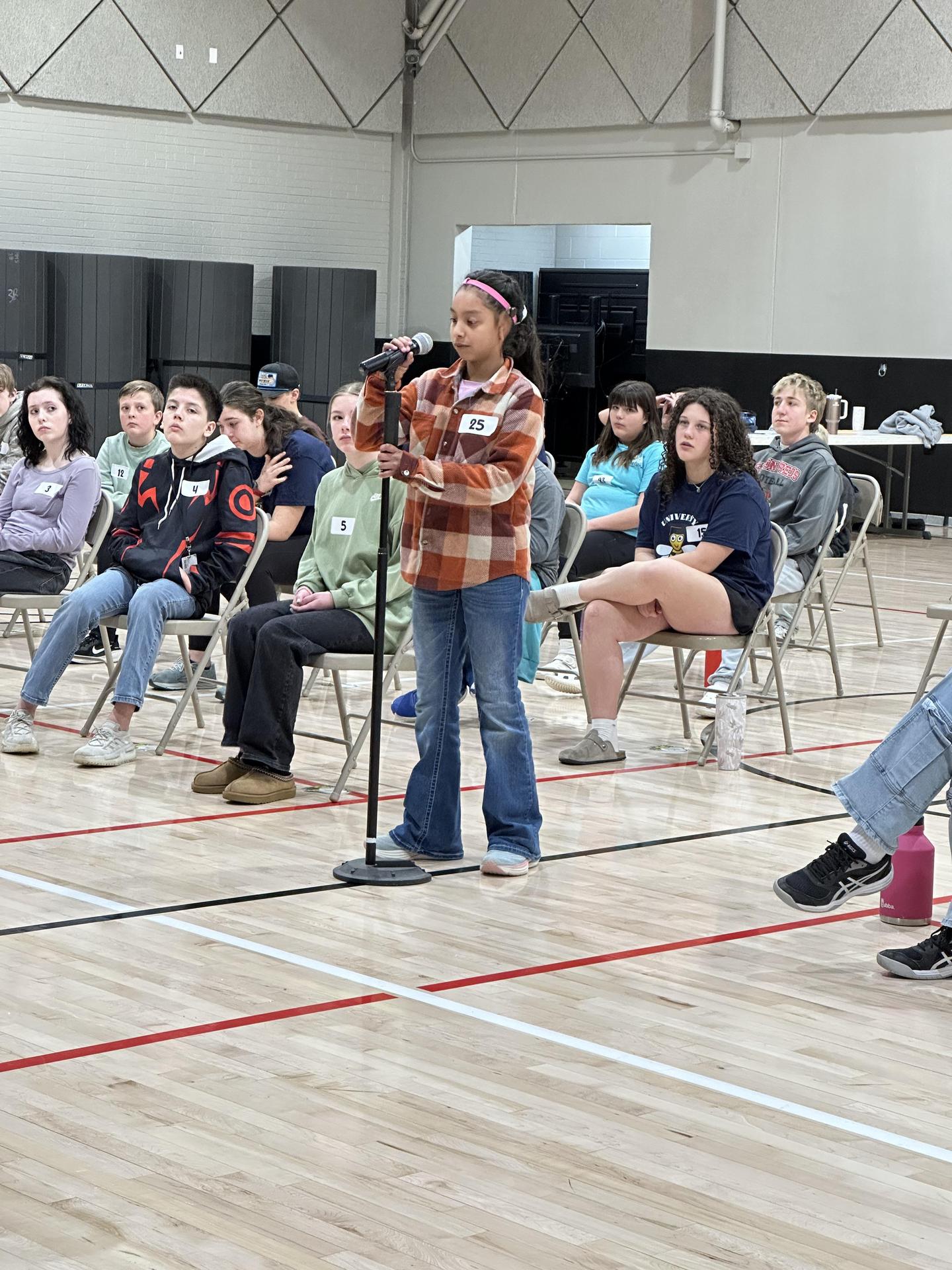
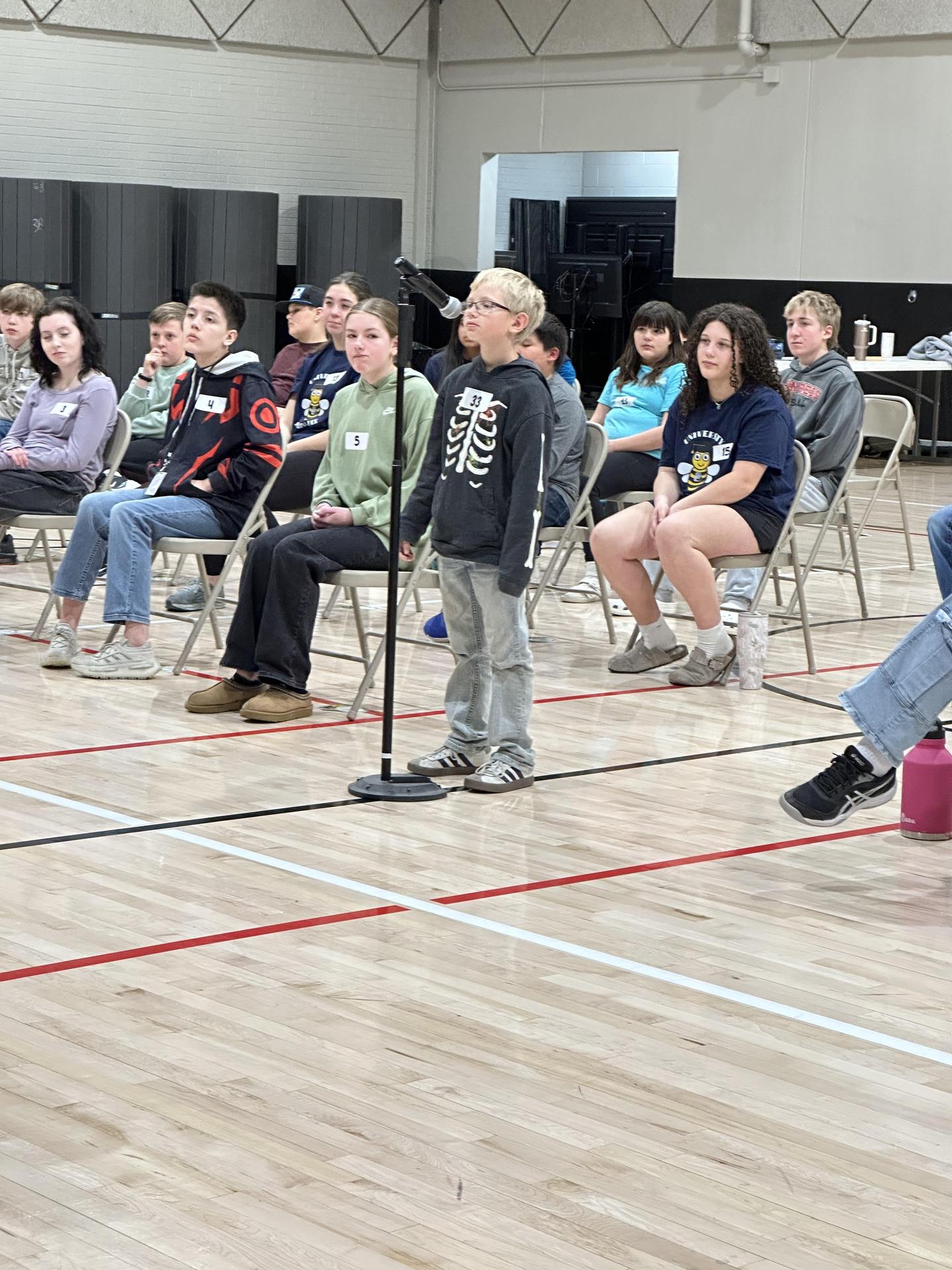
Celebrations & Successes, State Budget, Middle School Community Open House, Parentguidance.org
We are officially getting ready to begin the start of the fourth quarter. It is hard to believe that once we return from spring break we will have had 121 days of school, with only 46 remaining, and zero snow days! It is a reminder that we have had a very mild and dry winter so far in addition to our emphasis on placing the priority where it needs to be: our youths’ education. We are here to work to the best of our ability to provide the best education possible for our students because we know they will be leading our local communities, state, and country one day. Education is an investment in the future success of our country.
State Budget. We are coming to that time of year where schools pay attention to the Colorado legislative session, particularly the state’s budget which directly impacts our budget. You may have read over the past few months about the state’s budget deficit. It began with a projected $850 million to $1billion shortfall. The legislature will use information from the March economic forecast for figure setting to ultimately create the state’s budget, known as part of the Long Bill. There are indications the budget shortfall could be as much as $1.2 billion.
Colorado got to this place due to structural constraints and having built in reoccurring expenditures with one-time revenue dollars. Those one-time dollars have been a combination of federal dollars and state fund balance. Examples of the reoccurring expenditures that were not part of the state’s budget originally that have been added include but are not limited to:
- The state’s Universal Preschool program (UPK), passed into law in November 2023 through Proposition EE, receives approximately $150 million from the state’s general fund to support the program. Proposition EE used an additional nicotine tax to support the program, however, does not cover the full cost of UPK. The program currently provides all four-year-old participants with 15 hours of tuition-free care, along with qualifying four-year-old students with 30 hours of tuition-free care, and three-year-old qualifying students.
- A 2022 bill passed by the legislature extending Medicaid coverage to children and people who are pregnant which received $30 million from the state’s general fund to support the increased coverage.
- The state’s efforts to “pay-off” the Budget Stabilization Factor (BS Factor), which underfunded Colorado school districts, which exceeded $10 billion in cumulative funding reductions from 2010-2024 fiscal years.
- The state’s decision to fully fund kindergarten in 2020 at an increased cost of $175 million at the time. Prior to 2020, kindergarten was not fully funded by the state of Colorado. Districts across the state either charged families for full day kindergarten or ate the cost of full day kindergarten.
These reoccurring expenditures are exasperated by the state’s TABOR constitutional amendment which limits the growth of state revenue to inflation plus population growth. In years where revenue is above TABOR the limit, excess revenue must be refunded and cannot be used to put into savings for a rainy day. When revenue decreases in a year, the base for the following year is lowered and creates a ratcheting effect. The state is projecting a reduction in revenue for the 2025-26 fiscal year and not meeting the TABOR limit.
In addition to the state’s mandatory limit for revenue to grow no more than inflation plus population growth, the state’s Joint Budget Committee (JBC) staff state has the following general fund obligations for the 2025-26 and 2026-27 fiscal years based on current law and the Governor’s budget request:
- Department of Health Care Policy and Financing – This is the department charged with overseeing Medicaid and makes up the largest portion of the state’s general fund budget. General fund obligations for this department increase by inflation plus population plus 2%. Take note that is above what is constitutionally allowed for the State of Colorado to collect in revenue. This makes up approximately 33% of the Colorado’s general fund budget. This in of itself creates a structural deficit and requires the state to make cuts in other areas to the state budget.
- K-12 Education – Makes up approximately 27% of the state’s general fund budget and limited to required growth to be at the rate of inflation plus population growth. Colorado K-12 education is funded through a combination of local property tax dollars and state dollars.
- Higher Education – General fund appropriations grow by inflation plus 1%.
- Human Services – General fund appropriations grow by inflation plus 1%.
- Department of Corrections -- General fund appropriations grow by inflation (3% per year).
- Judicial -- General fund appropriations grow by inflation plus population growth.
- All Other Appropriations – General fund appropriations to all other departments increase by inflation plus population growth.
According to JBC projections, if TABOR revenues exceed the cap after the 2025–26 fiscal year, the state’s general fund reserve could still be fully depleted by 2029–2030. In the event of a mild recession, defined as a 6.6% decline in general fund revenue in 2026–2027, the reserve would likely be exhausted as early as that same fiscal year, and the TABOR ratchet effect would keep revenues below the Referendum C cap through 2029–2030. Anyone wishing to read detail related to this information may do so by reading the JBC staff stress test memo here: Stress Test Memo 02-20-26_0.pdf
Middle School Community Open House. Construction continues to progress on the new middle school. The building is on time for its scheduled August opening to start the school year and continues to track under budget. While a lot of work is taking place currently on the new building, plans have been established for the abatement and demolition of the existing building. However, before that work takes place we want to give our community and alumni an opportunity to do one last tour of the old middle school/high school.
On Friday, May 22nd from 8:00 – 4:00 we will hold a Community Open House for anyone interested in reliving their glory days or reminiscing in the past. A select number of items will be available for patrons to take if so desired, including used furniture, books, and other school building related items that will not make its way over to the new building. Please pay attention to the District’s website, Facebook page, and future newsletters for additional information but make sure to put the open house in your calendar now. It will be an opportunity to celebrate our past while we continue to progress for the future.
Parent Coaching. Parent Coaching offers families confidential, one-on-one support from a trained coach. Parents can receive guidance tailored to their unique needs and challenges, including anxiety, school-related concerns, behavioral issues, family transitions, and more. To sign up go here: How to Sign Up for Parent Coaching or google “Cook Center, How to Sign up For Parent Coaching”
- Completely Free & Private – Sessions are HIPAA-compliant and never shared with schools or the district.
- Customized Strategies – Coaches provide practical, personalized tools based on each family’s goals.
- Support for Every Stage – Designed for both proactive parenting and urgent concerns.
Yours in Education,
Jeremy Burmeister, Ed.D., Superintendent of Schools
“You become unstoppable when you work on things people can’t take away from you. Things like your character, habits, mindset, and attitude”